
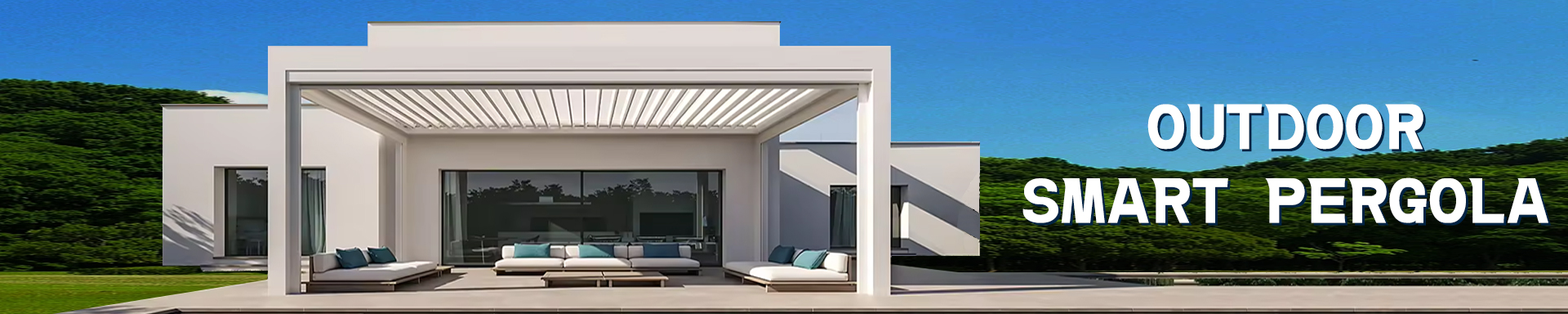
Modern aluminum pergolas offer versatile solutions for patios and terraces of all sizes. With options such as fixed roofs, adjustable louvered systems, and automated controls, you can design a functional, stylish space that enhances outdoor living. Proper planning ensures that furniture layout, lighting, and side panels maximize usability while keeping installation and maintenance straightforward, creating a lasting investment for your home.
1. Choosing the Right Materials
Selecting the right materials for your Aluminum pergola house is crucial to ensure long-term durability, minimal maintenance, and a modern aesthetic. Aluminum is increasingly popular because it combines lightweight strength with corrosion resistance, making it ideal for outdoor terraces, patios, or backyard areas exposed to varying weather. Homeowners who choose aluminum often benefit from low upkeep, rust-free surfaces, and a sleek, contemporary look that complements modern architecture.
1.1 Aluminum vs Other Pergola Materials
When deciding between pergola materials, aluminum consistently outperforms traditional wood and steel in several key aspects:
| Material | Durability | Maintenance | Weather Resistance | Cost |
|---|---|---|---|---|
| Aluminum | High | Low | Excellent | Moderate |
| Wood | Medium | High | Varies | Moderate to High |
| Steel | High | Medium | Needs Coating | High |
Aluminum’s natural resistance to rust and warping makes it a smart choice for homeowners seeking long-lasting, hassle-free outdoor structures. Unlike wood, it doesn't require regular staining, and unlike untreated steel, it withstands humidity and rain without extensive protective coatings.
1.2 Protective Coatings and Finishes
To further enhance longevity, aluminum pergolas often receive powder-coated finishes or anodized treatments. These coatings protect against UV fading, corrosion, and scratches, ensuring the structure remains vibrant for years. For instance, a modern terrace of 25 sqm fitted with a powder-coated aluminum pergola can retain its color and sheen with minimal cleaning. Homeowners may also consider textured finishes that mimic wood grain, adding warmth while keeping all the advantages of aluminum.
1.3 Durability and Weather Resistance
A premium aluminum motorized pergola or louvered pergola can endure extreme temperatures, heavy rain, and strong winds without warping or rusting. Aluminum’s lightweight yet strong frame allows for larger spans without additional supports, ideal for open terraces or modern backyard patios. To maximize durability:
-
Ensure proper installation with secure anchoring to a concrete base.
-
Apply optional UV-protective coatings to minimize fading.
-
Check for any loose bolts or panels annually to maintain structural integrity.
By combining aluminum’s natural resilience with modern protective treatments, homeowners enjoy outdoor spaces that are both functional and visually striking. A 20–30 sqm backyard patio outfitted with a modern aluminum pergola can easily support furniture, lighting, and retractable shades without compromising stability.
2. Popular Pergola Styles
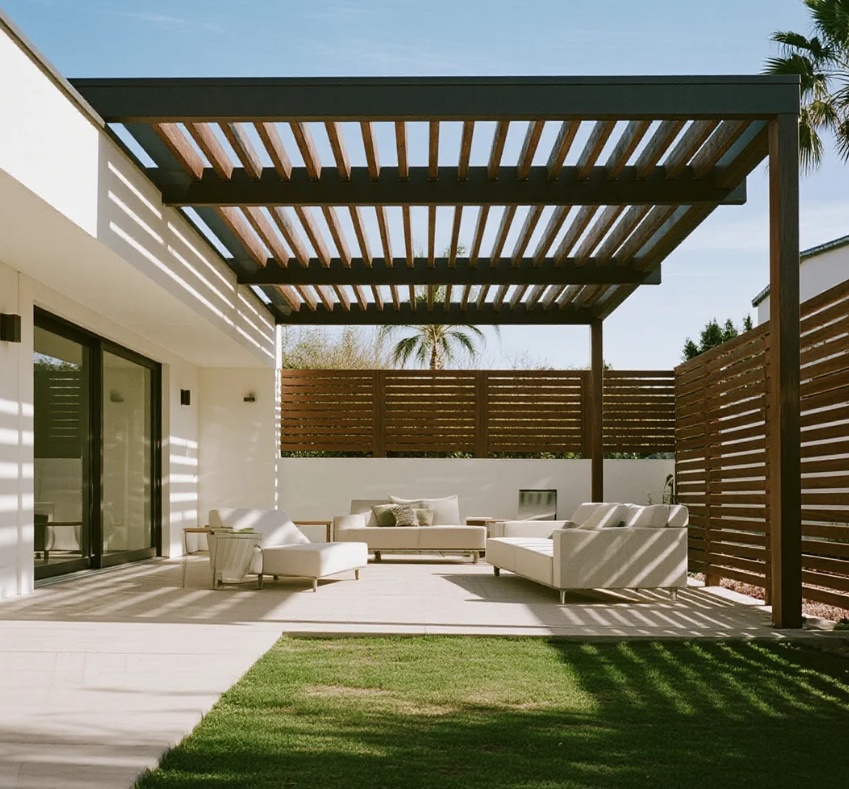
Choosing the right style for your Aluminum pergola house can dramatically enhance the look and functionality of your outdoor space. Modern homeowners often select styles that blend seamlessly with architecture, provide flexible shading, and allow for smart features. From minimalist frameworks to motorized roofs, aluminum pergolas offer versatile solutions for terraces, patios, and backyard setups.
2.1 Modern Minimalist Designs
Modern minimalist aluminum pergolas emphasize clean lines, geometric shapes, and unadorned elegance. These designs are ideal for contemporary house terraces, rooftop patios, or urban backyards, giving spaces a spacious, open feel without visual clutter. Key features include:
-
Sleek aluminum frames with concealed fasteners.
-
Integrated gutters for rainwater management.
-
Optional side panels for subtle privacy while maintaining openness.
A 25 sqm modern patio with a minimalist aluminum pergola can create a multi-functional outdoor living area, perfect for entertaining or relaxing, while requiring minimal maintenance thanks to aluminum’s durability.
2.2 Traditional and Decorative Options
For homeowners seeking a classic aesthetic, aluminum pergolas can also mimic traditional wood styles without the high maintenance. Decorative features include:
-
Curved beams, lattice panels, and ornamental columns.
-
Powder-coated finishes that replicate natural wood tones.
-
Integration with climbing plants to enhance visual appeal.
These designs allow a 20–30 sqm backyard to feel inviting and elegant, combining the charm of classic pergolas with the long-lasting benefits of aluminum, such as rust resistance and light weight. This approach gives families a functional outdoor space while keeping a stylish, timeless look.
2.3 Louvered, Motorized, and Automated Roofs
For maximum flexibility, homeowners increasingly choose louvered pergolas or motorized/automated systems, which allow instant control over sunlight, shade, and ventilation. Key advantages include:
-
Adjustable louvered panels to regulate light and airflow.
-
Remote-controlled motorized roofs for convenience.
-
Integration with smart home systems for automated operation.
A 20 sqm modern terrace with a motorized aluminum pergola can switch from full sun to full shade in seconds, making it perfect for entertaining, outdoor dining, or protecting furniture from weather. Aluminum’s corrosion resistance ensures reliable performance over years, while the automated features add significant lifestyle value without additional maintenance hassle.
3. Sizing and Layout Considerations
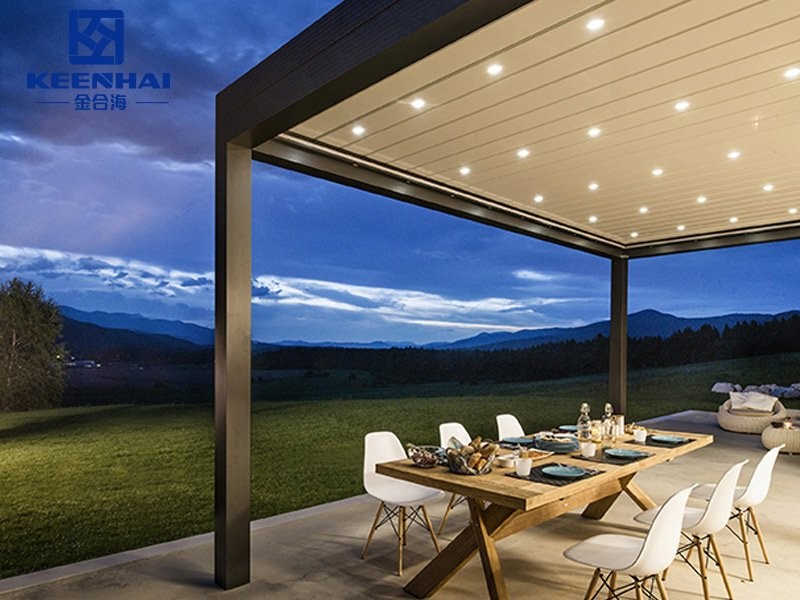
Planning the right size and layout for your Aluminum pergola house ensures maximum functionality, comfort, and aesthetic appeal. Whether you have a compact backyard, a large terrace, or multiple outdoor zones, careful measurement and smart configuration are key to creating a space that works for both daily use and entertaining guests.
3.1 Measuring Your Outdoor Space
Accurate measurement is the first step in optimizing pergola placement. Start by:
-
Measuring total length and width of the patio or terrace in meters or feet.
-
Noting fixed obstacles like walls, existing planters, or outdoor kitchens.
-
Marking zones for activities, such as dining, lounging, or gardening.
A common guideline is to leave at least 1–1.5 meters of circulation space around furniture. For instance, a 25 sqm terrace could accommodate a 4×3 meter aluminum pergola with a dining set, allowing room for movement and seating comfort. Using graph paper or digital tools can help visualize furniture layout versus pergola coverage, preventing overcrowding.
3.2 Matching Pergola Size with Furniture and Activities
Selecting the right pergola size depends on intended use. For a modern backyard:
-
Outdoor dining: Ensure enough space for table, chairs, and circulation.
-
Lounge area: A 3×3 meter pergola can accommodate a sofa set and side tables.
-
Multi-purpose setups: Combine dining and lounge within a single pergola footprint.
Table: Pergola Size Recommendations vs Activities
| Activity Type | Recommended Pergola Size (m) | Notes |
|---|---|---|
| Dining for 6-8 | 4×3 | Leaves 1–1.5 m around for movement |
| Lounge & Coffee Area | 3×3 | Ideal for sofa sets and small tables |
| Combined Use | 5×4 | Separate zones for dining and relaxation |
This approach helps create balanced, functional outdoor living spaces that cater to multiple purposes without feeling cramped or awkward.
3.3 Configuring Multi-Zone or Connected Pergolas
For larger patios or gardens, connected pergolas can divide the space into distinct functional zones. Steps to plan:
-
Identify separate activity areas, such as a BBQ section, dining corner, and lounging spot.
-
Measure and assign pergola sizes for each zone, keeping circulation and visual flow in mind.
-
Consider linking structures with walkways, shared roofs, or louvered systems to unify the design.
For example, two 3×3 meter aluminum pergolas linked by a 2-meter walkway can create a cohesive backyard layout, maintaining style consistency and ease of movement. Incorporating louvered pergola features can allow sunlight control across multiple zones, enhancing both comfort and usability.
4. Installation and Setup Options
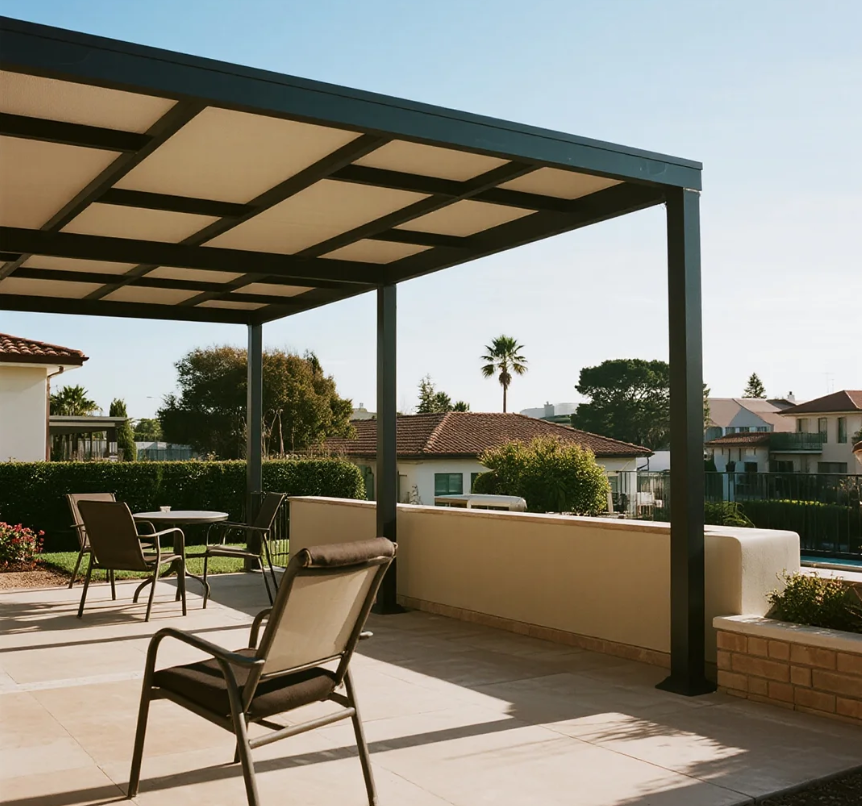
Installing an Aluminum pergola house properly is essential to maximize durability, safety, and performance. Choosing between DIY installation and professional services, understanding foundation requirements, and preparing a clear checklist ensures the structure is both stable and visually appealing.
4.1 DIY Installation vs Professional Service
Deciding whether to install the pergola yourself or hire professionals depends on experience, tools, and pergola complexity:
-
DIY Installation:
-
Ideal for smaller or modular pergolas.
-
Requires measuring tools, drill, level, and possibly a ladder.
-
Follow manufacturer instructions carefully, ensuring posts are plumb and roof panels aligned.
-
-
Professional Service:
-
Recommended for larger structures, motorized or automated roofs, or uneven terrain.
-
Experts provide precise installation, anchoring, and safety compliance, often within a shorter timeframe.
-
For instance, installing a 4×3 meter aluminum pergola on a backyard patio may take 2–3 days DIY, but a professional team can finish in 1–2 days with guaranteed structural integrity. This option is especially useful when integrating Aluminum motorized pergola features.
4.2 Foundation Requirements and Structural Support
A solid foundation is critical for stability and longevity. Steps to ensure proper support:
-
Concrete Pads or Footings: Minimum 30–40 cm deep, depending on soil type and pergola size.
-
Anchoring Posts: Use metal brackets or embedded sleeves to secure posts firmly.
-
Cross-Beams and Roof Support: Ensure the load of roof panels or louvers is evenly distributed to prevent sagging.
Typical Foundation Dimensions vs Pergola Size
| Pergola Size (m) | Footing Depth (cm) | Post Diameter (mm) | Notes |
|---|---|---|---|
| 3×3 | 30 | 100 | Suitable for small terraces |
| 4×3 | 35 | 120 | Ideal for standard backyard patios |
| 5×4 | 40 | 150 | Recommended for multi-zone or larger units |
Proper foundation planning ensures the pergola withstands wind, rain, and daily use, reducing maintenance and safety risks.
4.3 Timeframe and Preparation Checklist
Planning the installation with a clear timeline and checklist avoids delays and mistakes:
-
Site Preparation: Clear debris, level the ground, and mark pergola footprint.
-
Materials Check: Verify all parts, fasteners, and tools are ready.
-
Step-by-Step Installation:
-
Position posts and secure footings.
-
Install cross-beams and roof supports.
-
Attach roof panels, louvers, or motorized systems.
-
-
Final Inspection: Confirm all bolts are tight, posts are plumb, and moving parts function smoothly.
A well-planned process can reduce installation errors and ensure your louvered pergola operates flawlessly, providing both shade control and modern aesthetics.
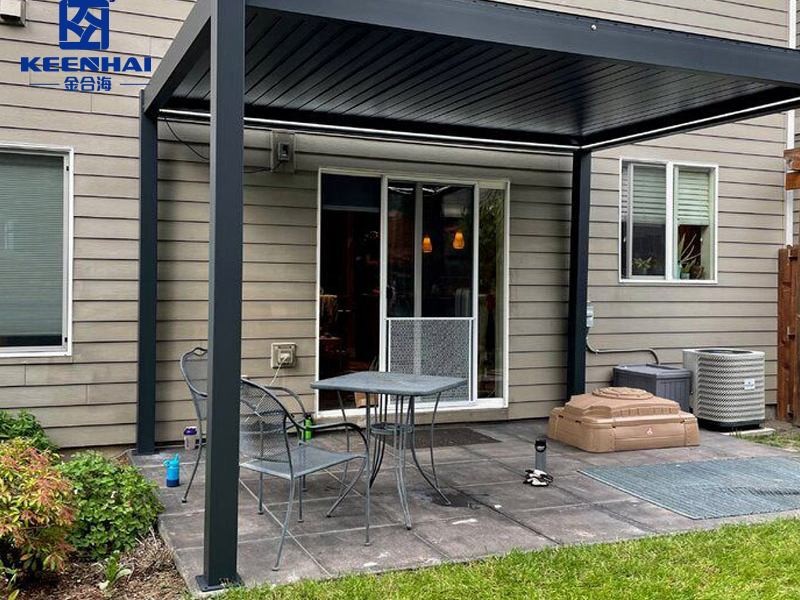
5. Pricing and Cost Factors
Understanding the pricing of an Aluminum pergola house helps homeowners plan budgets realistically. Costs vary based on size, style, features, and installation method, but careful planning ensures long-term value and minimal maintenance expenses.
5.1 Average Costs by Size and Style
The price of an aluminum pergola depends heavily on dimensions, roof type, and style:
-
Small Modular Pergolas (3×3 m): Typically range between $2,500–$4,000, ideal for a backyard patio of 15–20 sqm.
-
Medium Pergolas (4×3 m): Average $4,000–$6,500, suited for terraces and family outdoor zones.
-
Large or Multi-Zone Pergolas (5×4 m+): Can cost $6,500–$10,000+, especially with motorized or automated louver systems.
Cost Comparison by Pergola Type
| Pergola Type | Size (m) | Approximate Price (USD) | Notes |
|---|---|---|---|
| Standard Aluminum Pergola | 3×3 | 2,500–4,000 | DIY or small patio |
| Louvered Pergola | 4×3 | 4,500–6,500 | Adjustable roof, medium terrace |
| Motorized/Automated | 5×4 | 6,500–10,000+ | Multi-zone setup with automation |
Larger, feature-rich structures naturally increase costs, but they deliver flexible outdoor living experiences and long-term durability.
5.2 Additional Expenses: Accessories, Automation, and Labor
Beyond the base structure, homeowners should budget for extra features and installation:
-
Automation or Motorized Louvers: Adds $1,000–$2,500 depending on complexity.
-
Side Panels, Curtains, or Screens: Range from $500–$1,500, enhancing privacy and wind protection.
-
Lighting and Smart Controls: Typically $300–$800, allowing for evening use and ambiance.
-
Professional Installation: Can range $800–$2,000, depending on location and pergola size.
For instance, a 4×3 m pergola with motorized louvers and LED lighting could reach a total investment of $6,500–$8,500, combining both functionality and aesthetics.
5.3 Long-Term Value and Maintenance Savings
Investing in a high-quality aluminum pergola provides long-term financial benefits:
-
Durability: Aluminum resists rust, warping, and sun damage, significantly reducing replacement costs over 15–20 years.
-
Low Maintenance: Requires minimal cleaning, unlike wood pergolas that need seasonal sealing or painting.
-
Energy Efficiency: Adjustable louvered roofs can control sunlight, helping reduce cooling costs for adjacent spaces.
A well-planned pergola can offer years of functional outdoor space, making the initial investment worthwhile while keeping ongoing expenses low. Even adding features like Aluminum automated pergola options enhances usability without heavy maintenance costs.
Investing in an Aluminum pergola house delivers both style and function, combining durable materials with flexible design options. By carefully selecting materials, roof styles, and size, homeowners can create outdoor spaces that suit modern lifestyles while offering long-term value. Whether choosing a minimalist modern pergola for a backyard terrace of 20 sqm or a motorized, louvered setup for a multi-zone patio, thoughtful planning ensures a pergola that is not only visually striking but also practical, low-maintenance, and adaptable to changing outdoor needs.